
Trainer's Guide: Sustainable Strategies for Body Fat Reduction
Many of us strive for an ideal physique, and a crucial step on that journey is body fat reduction. The question of how to effectively reduce body fat in an efficient, safe, and lasting manner concerns both beginners and advanced fitness enthusiasts. As an experienced personal trainer specializing in fat loss, I want to present a comprehensive guide that will clear up any doubts and outline concrete steps to achieve your desired goal. This process requires consistent action on multiple fronts – from diet, through fat-burning workouts, to regeneration and mental attitude. This is key to understanding how to successfully reduce body fat and achieve healthy weight loss.
Fundamentals of Body Fat Reduction: Calorie Deficit
The foundation of any successful fat loss is achieving and maintaining a calorie deficit. This means we must consume fewer calories than our body burns throughout the day. Without this fundamental element, even the most intense training or "clean" diet won't yield the desired results in terms of body fat loss, which is crucial when considering how to reduce body fat and effectively burn fat. Calculating your individual caloric needs is the first step. This can be done using formulas like Mifflin-St Jeor, and then subtracting 300 to 500 kcal to initiate the process of burning fat reserves.
It's important that the deficit isn't too drastic, as this can lead to a slowed metabolism, muscle mass loss, and a decline in overall well-being. The optimal rate of reduction is about 0.5-1% of body weight per week. This approach ensures that the process is healthy and sustainable in the long run, which is key when considering how to reduce body fat without the yo-yo effect.
Key Macronutrients: How to Approach Body Fat Reduction Mindfully
The correct distribution of macronutrients – proteins, carbohydrates, and fats – is just as important as the calorie deficit itself. In the context of macronutrients for fat loss, protein plays a crucial role in protecting muscle mass during reduction and also increases feelings of satiety. It is recommended to consume 1.6-2.2 grams of protein per kilogram of body weight daily. Understanding this helps you better grasp how to effectively reduce body fat.
Carbohydrates provide energy for workouts and daily activities, while healthy fats are essential for proper hormone function and vitamin absorption. Their proportions should be tailored individually, but it's generally accepted that carbohydrates make up 40-50% of total energy intake, fats 20-30%, and protein the remaining 20-30%.
Fat Loss Diet: The Foundation of Effective Change
Diet is the cornerstone of body fat reduction. Focus on wholesome, nutrient-dense foods rich in fiber, vitamins, and minerals. Avoiding processed foods, excess sugar, and unhealthy fats is an absolute must if you want to know how to sustainably reduce body fat. Remember, it's not just about the quantity, but also the quality of the products you consume. A well-planned fat loss diet doesn't have to be boring or bland.
Here is a list of foods to include in your daily meal plan to support fat burning:
-
Lean protein sources: chicken, turkey, fish (salmon, cod), eggs, lean dairy, legumes.
-
Complex carbohydrates: whole-grain bread, brown rice, groats (buckwheat, millet), oats, sweet potatoes.
-
Healthy fats: avocado, nuts, seeds, olive oil.
-
Plenty of vegetables and fruits: a source of vitamins, minerals, and fiber, which aids digestion and satiety.
Foods to avoid or drastically limit:
-
Sugary drinks and juices.
-
Fast food and processed snacks.
-
Sweets and confectionery.
-
Products high in trans fats.
Systematic meal planning, known as meal prep, can significantly ease diet adherence and calorie control. This is incredibly helpful in the reduction process and crucial for effectively answering the question of how to reduce body fat.
Physical Activity and Fat-Burning Workouts
While diet plays a dominant role, physical activity is an indispensable element that accelerates the fat loss process and helps sculpt your physique. This is a crucial part of the answer to how to reduce body fat. Combining strength training for fat loss with cardio for fat loss is the most effective strategy. Regular exercise increases energy expenditure, improves insulin sensitivity, and helps maintain muscle mass, which is key to understanding how to reduce body fat without losing strength. This becomes a true fat-burning workout.
Strength Training or Cardio? The Optimal Combination for Fat Burning
The question often arises: should you focus on strength training or cardio? The answer is: both! Only an integrated approach will maximize results and solidify your understanding of how to reduce body fat.
-
Strength training for fat loss: This is fundamental for preserving and building muscle mass. Muscles are metabolically active tissue, meaning the more muscle you have, the more calories you burn at rest. Furthermore, strength training improves body composition, even if your weight doesn't change drastically. Plan 3-4 strength sessions per week, focusing on multi-joint exercises such as squats, deadlifts, presses, and rows.
-
Cardio for fat loss: Effectively burns calories and improves cardiovascular endurance. It can be performed in an aerobic form (moderate intensity for a longer duration, e.g., running, swimming, cycling) or as High-Intensity Interval Training (HIIT). Moderate-intensity cardio (e.g., 30-45 minutes, 3-4 times a week) is an excellent complement to strength training, supporting fat burning.
-
HIIT for fat burning: This is highly effective for burning fat in a short amount of time by increasing post-exercise oxygen consumption (EPOC). Short, intense intervals are interspersed with periods of rest. Incorporate 1-2 HIIT sessions per week, but remember that this is a demanding workout and not always suitable for beginners.
Remember to progressively increase loads and intensity so your body continually adapts to new challenges. This will maximize effects and make the entire process of truly understanding how to reduce body fat more satisfying.
Monitoring Progress and Motivation for Fat Loss
Regularly tracking progress is crucial for maintaining motivation for fat loss and making any necessary plan adjustments. Weight is just one indicator and doesn't always reflect real changes in body composition. Much better methods include:
-
Circumference measurements: Abdomen, waist, hips, thighs, arms.
-
Progress photos: Every 2-4 weeks, taken under the same conditions.
-
Energy levels and well-being: Important indicators of health and bodily adaptation.
-
Body composition: BIA (bioelectrical impedance analysis) can provide more accurate data on fat and muscle content.
Remember, fat loss is a process, not a sprint. Be patient and consistent. Don't get discouraged by temporary plateaus. If you don't see progress after a few weeks, consult an experienced personal trainer specializing in fat loss. The right support can be invaluable when trying to understand how to effectively and safely reduce body fat.
Summary: How to Successfully Reduce Body Fat
Body fat reduction is a complex process that requires consistency and discipline. The key to success is combining a healthy calorie deficit, a well-balanced fat loss diet, and a thoughtful training plan, including effective fat-burning workouts. Understanding how to reduce body fat based on scientific principles will allow you to achieve lasting results and improve your overall health. Remember, knowing how to reduce body fat is the beginning – action is key.
Don't forget the importance of regeneration, adequate sleep, and stress management, which also influence hormones regulating body composition. If you feel you need individual support or want to ensure all elements of your plan are optimized, seek professional help. Together, we can create a plan perfectly tailored to your needs and goals, ensuring your journey to properly reduce body fat is effective and safe. Such a holistic program guarantees healthy weight loss and long-term success.
Related articles
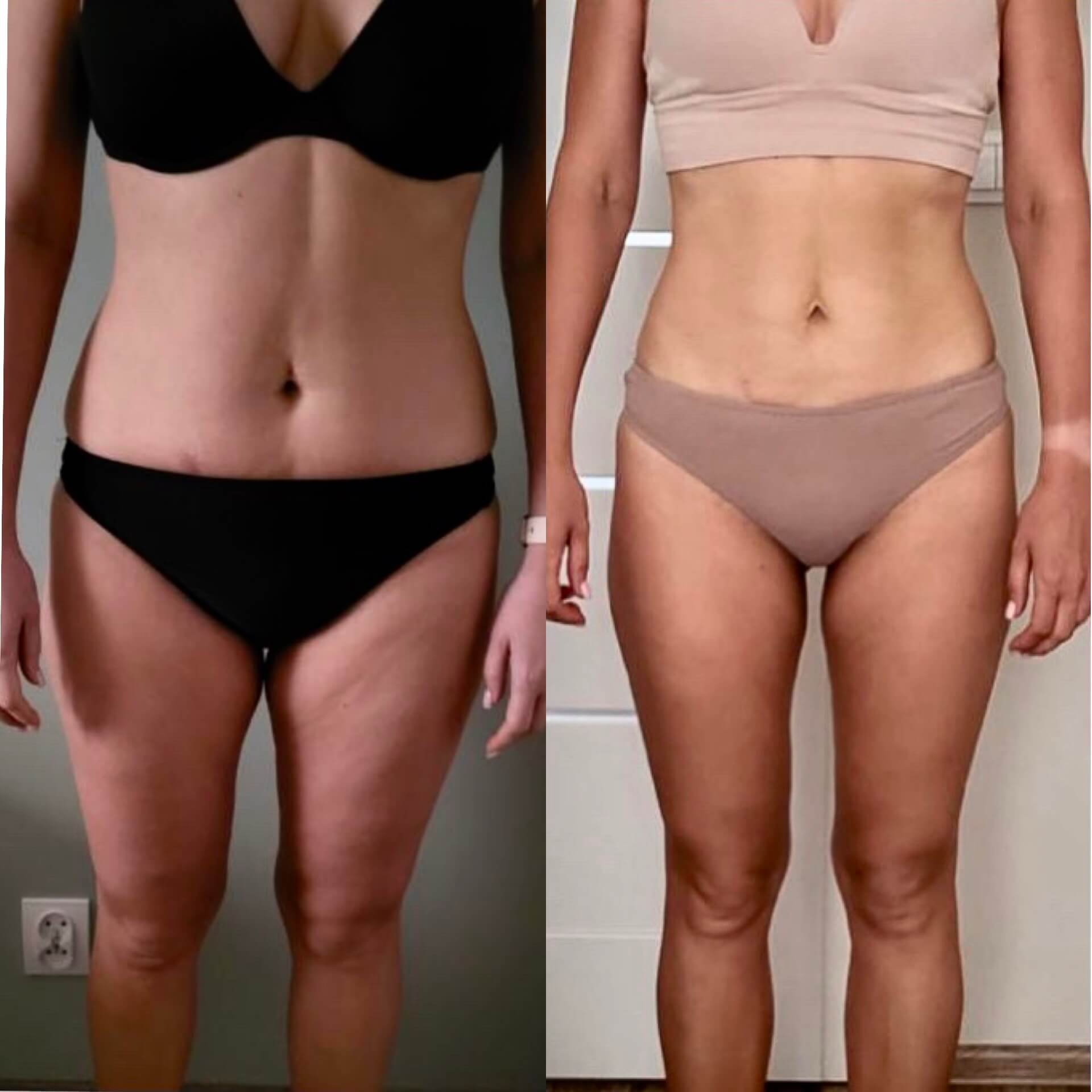
Cardio vs. Strength Training: What's Best for Fat Burning?
Wondering if cardio or strength training is better for fat loss? Discover how to combine both effectively to achieve your weight reduction goals.
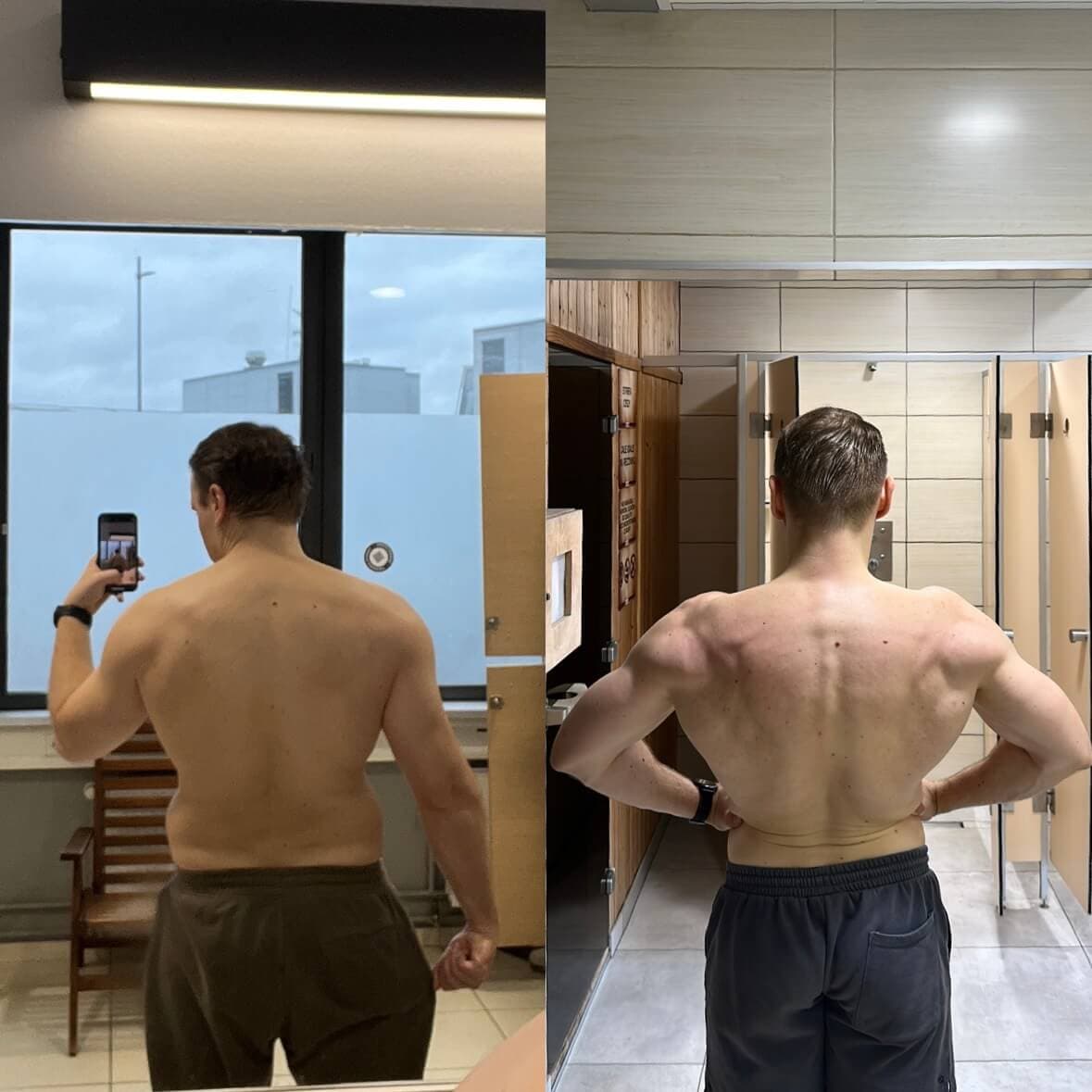
Client Transformations: Personal Trainer Wrocław Results
Explore inspiring body transformations and real results from my personal training clients. I offer personalized fitness programs in Wrocław, tailored to your goals, health, and fitness level.
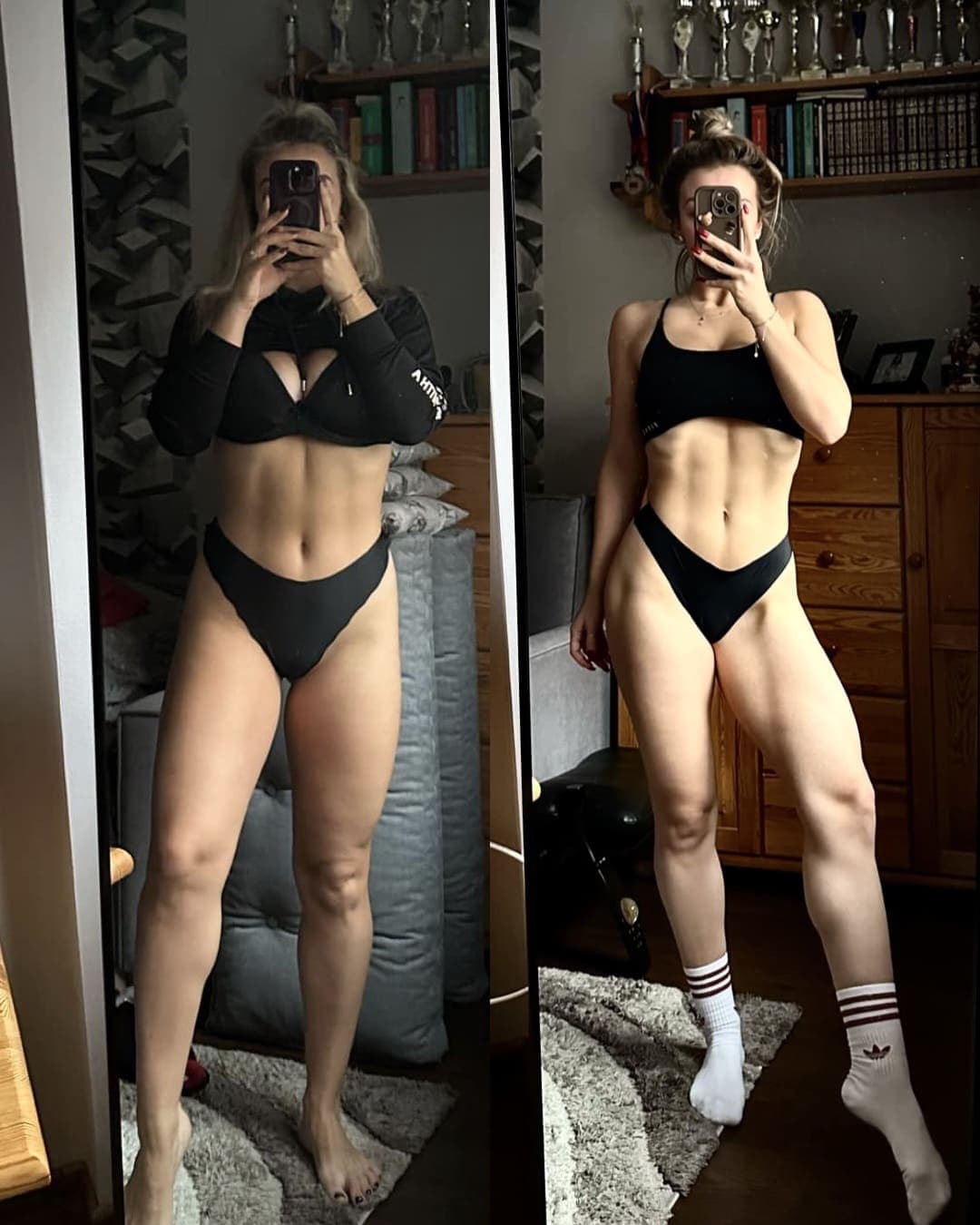
Wrocław Personal Training: Top Mistakes & How to Fix Them
Discover the most common mistakes people make when starting personal training in Wrocław. Learn how to avoid them to achieve your fitness goals faster and more efficiently.